
You usually understand what a mover does the moment the truck pulls up. What catches many people off guard is everything that has to happen before the first box goes out the door and after the last one comes in. That is where people start asking, what is packing and unpacking, really, and is it worth paying for?
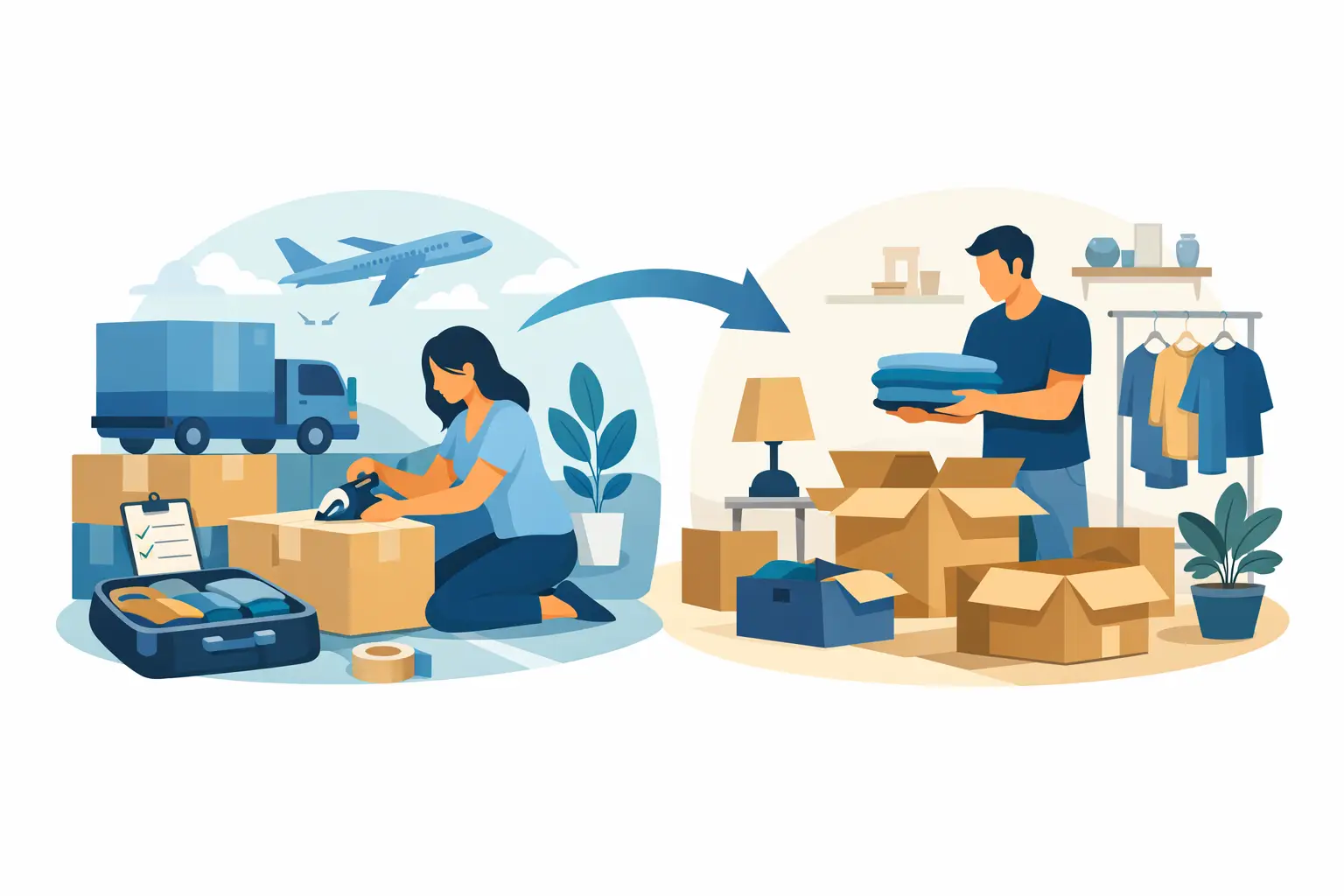
In moving terms, packing and unpacking is more than putting things in boxes and opening them later. It is a service built around protecting your belongings, organizing them for transport, and helping you get set up faster at the other end. For some households, that means full-service support from kitchen glasses to bed frames. For others, it means getting help only with the hard parts, like fragile items, heavy pieces, or the final room-by-room setup.
What is packing and unpacking in a move?
Packing is the process of preparing your belongings for transport so they arrive safely and stay organized. That includes choosing the right box sizes, wrapping fragile items, padding furniture, labeling cartons, and loading items in a way that reduces shifting and breakage.
Unpacking is the next stage once the move is complete. It can be as simple as movers placing labeled boxes in the correct rooms, or as hands-on as unwrapping dishes, organizing surfaces, reassembling furniture, and removing used packing materials. The exact scope depends on the level of service you choose.
That difference matters. Some people hear packing and assume it is just labor. In practice, good packing is part protection, part planning. Good unpacking is part setup, part stress reduction.
What packing service usually includes
A professional packing service typically starts with the materials and the method. Movers bring boxes, wrapping paper, tape, padding, and specialty containers when needed. Then they sort belongings by room, item type, and fragility so the move stays manageable instead of chaotic.
In most homes, kitchens take the longest because they combine fragile items, sharp objects, pantry goods, and oddly shaped appliances. Bedrooms are usually faster, but closets, dressers, and personal items still need a system. Living rooms can be straightforward until electronics, artwork, lamps, and decorative pieces come into play.
Furniture is often part of packing too, even if it is not going into a box. Tables may be padded, mattresses bagged, mirrors wrapped, and loose parts secured. If a move includes disassembly, those hardware pieces should be bagged and labeled so reassembly does not turn into a guessing game later.
Some moves call for full packing, where the crew handles nearly everything in the home. Others use partial packing, where movers focus on select rooms or high-risk items. That can be a smart middle ground if you want to save money but still want help with the pieces most likely to break.
Full packing vs. partial packing
Full packing is usually the best fit when time is tight, the home is large, or the move involves seniors, families with young kids, or busy professionals. It reduces the amount of decision-making you have to do in the final days before the move.
Partial packing works well if you are comfortable boxing everyday items but want professionals to handle dishes, artwork, electronics, antiques, or office equipment. It is also a good option when you are downsizing and need a more selective approach.
Neither option is automatically better. It depends on your timeline, budget, and how much physical work you want to take on yourself.
What unpacking service usually includes
Unpacking is often underestimated until moving day is over and you are staring at a wall of boxes. At that point, getting everything inside the new place is no longer the hard part. The hard part is making the home usable again.
A basic unpacking service usually means boxes go to the rooms where they belong, based on labels and your instructions. A more complete unpacking service includes opening boxes, placing items on counters or shelves, removing paper and wrapping, and clearing away the empty cartons.
For many customers, that last part is a bigger benefit than expected. Used boxes and packing paper pile up quickly, especially after a full-house move. Having that material removed right away makes the new space feel less like a storage unit and more like a home.
Some moving teams also help with furniture placement and reassembly during unpacking. That can make a real difference when you are dealing with beds, dining tables, sectionals, desks, or shelving units. If the furniture lands where you want it the first time, you avoid lifting and rearranging everything later.
What unpacking does not always cover
Unpacking can mean different things from one company to another. Some crews will unwrap and place items, but they will not organize drawers, style shelves, or decide where household goods should live. Others may help with a more complete room setup.
That is why clear expectations matter. If you want dishes put into cabinets, kids’ rooms set up, or office equipment reconnected in a specific way, it is best to ask about that before the move rather than assume it is included.
Why people choose packing and unpacking services
The most obvious reason is convenience, but that is only part of it. Professional packing cuts down the risk of damage because the materials and techniques are better matched to the items being moved. It also saves time at the point when most people are already stretched thin with paperwork, address changes, cleaning, and schedule changes.
Unpacking helps for the same reason. After a move, energy is usually gone, even if motivation is still there. Having support on the back end can shorten the disruption from days or weeks to a matter of hours.
There is also a safety factor. Heavy lifting, repeated bending, and rushing through stairs or tight hallways can lead to injuries and damaged items. For seniors, busy families, or anyone recovering from health issues, reducing that strain is not a luxury. It is practical.
In places with unpredictable weather or tight moving windows, like Calgary during a busy season, packing ahead of time and unpacking efficiently can also make the whole move more manageable. Delays are easier to handle when everything is already organized and protected.
Is packing and unpacking worth the cost?
Sometimes yes, sometimes no. It depends on what you are moving and what your time is worth.
If you are moving out of a small apartment with minimal furniture and a flexible schedule, doing your own packing may make sense. If you are moving a family home, juggling work, or dealing with fragile or high-value items, the math often changes. The cost of professional help may be lower than replacing broken belongings, taking time off, or stretching the move over multiple exhausting days.
There is also a difference between spending money and buying relief. Packing and unpacking is often worth it for people who want a lower-stress move, not just a faster one.
How to know what level of help you need
Start with the rooms you are worried about. If the kitchen already feels overwhelming, that is a sign. If you know you do not want to deal with wrapping glassware, taking apart furniture, or carrying boxes for two straight days, that tells you something too.
Be realistic about your schedule. Many people plan to pack at night or over a weekend and then run out of time. Others are comfortable packing but dread the unpacking because they know it can drag on for weeks. The right service level solves the part of the move most likely to create stress, delay, or damage.
A dependable moving company should be able to tailor that support instead of forcing you into an all-or-nothing package. That is often the best fit for real households, because every move has a different pressure point.
What to ask before booking packing and unpacking
Ask what materials are included, whether fragile packing is part of the service, and how boxes will be labeled. Find out if furniture disassembly and reassembly are included, and whether unpacking means box placement only or full item removal and setup.
It is also smart to ask how the company handles high-value or delicate items, what happens to used packing materials, and whether pricing is flat-rate or hourly. Clear answers upfront usually mean fewer surprises later.
If you are comparing quotes, do not just compare numbers. Compare what is actually being done for that price.
Packing and unpacking is really about making a move more controlled from start to finish. When your belongings are protected, your rooms are organized, and your new space starts working right away, the whole move feels lighter. For many people, that is the difference between just getting through moving day and actually settling in with some peace of mind.